Blog
Why Crystal Meth Is One of the Most Addictive Drugs


Crystal methamphetamine, commonly known as crystal meth, stands as one of the most powerfully addictive substances in the world. This crystalline form of methamphetamine has earned a notorious reputation for its ability to rapidly hook users after minimal exposure, creating a devastating cycle of crystal meth addiction that can be extraordinarily difficult to break.
Unlike many other drugs of abuse, crystal meth’s unique chemical structure and method of administration allow it to produce an intense, immediate euphoria while simultaneously setting the stage for severe physical and psychological dependence.
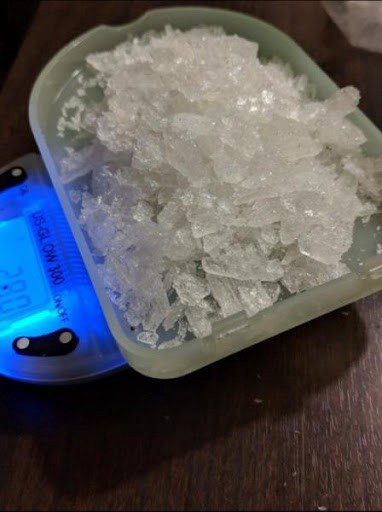
Crystal meth is a synthetic stimulant that appears as clear, blue-white crystals resembling ice or glass. When smoked, injected, or snorted, it floods the brain with unnaturally high levels of neurotransmitters, creating a cascade of effects that rewire the brain’s reward pathways. This article examines the scientific, psychological, and neurological reasons why crystal meth addiction develops so rapidly and proves so difficult to overcome, even compared to other highly addictive substances.
For those seeking information about methamphetamine products, Synthetic Meths provides educational resources about this substance. However, it’s crucial to understand the extreme risks associated with crystal meth use before considering any exposure to this dangerous drug.
Where To Buy Crystal Meth Online
Looking to buy crystal meth online? Look no further than Synthetic Meth, your trusted source for high-quality crystal meth for sale. We understand the importance of finding a reliable and discreet supplier, which is why we pride ourselves on our quick and confidential service.
At Synthetic Meth, we offer a wide range of meths for sale, ensuring that you can find the perfect product to suit your needs. Our team is dedicated to providing top-notch customer service, so you can rest assured that your order will be handled with care and professionalism.
When it comes to where to buy crystal meth online, Synthetic Meth stands out as a leader in the industry. Our commitment to quality and customer satisfaction has earned us a reputation as one of the most trusted sources for purchasing crystal meth online.
Don’t settle for subpar products or unreliable suppliers. Choose Synthetic Meth for all your crystal meth needs and experience the difference that quality and trust can make. Visit our website at https://syntheticmeth.com/product-category/methamphetamine/ today to learn more about our products and place your order.
With Synthetic Meth, you can buy crystal meth online with confidence, knowing that you’re getting the best products from a reputable supplier. Don’t wait any longer – discover why so many customers choose Synthetic Meth for their crystal meth needs.
What Makes Crystal Meth Different From Other Drugs
Potency and Purity Compared to Other Stimulants
Crystal meth addiction differs significantly from addiction to other stimulants due to the drug’s exceptional potency and purity. While cocaine, another powerful stimulant, typically reaches 50-70% purity on the street, crystal meth often exceeds 80-90% purity. This heightened concentration means users experience more intense effects from smaller amounts, accelerating the path to crystal meth addiction.
Unlike cocaine, which is metabolized and eliminated from the body relatively quickly (with effects lasting 15-30 minutes), crystal meth remains active in the system for 8-12 hours. This extended duration means the brain is exposed to the drug’s effects for a much longer period, allowing it to create more profound and lasting changes to neural pathways associated with reward and motivation.
Intensity and Duration of Effects
The intensity of crystal meth’s effects sets it apart from virtually all other substances of abuse. Users report an immediate and overwhelming rush of euphoria, particularly when the drug is smoked or injected. This rush is accompanied by:
- Intense feelings of confidence and power
- Dramatically increased energy and alertness
- Enhanced focus and concentration
- Decreased appetite
- Heightened sexual desire
These effects are not only more intense than those produced by other stimulants but also last significantly longer. While cocaine’s effects typically fade within an hour, crystal meth can keep users high for 8-12 hours from a single dose. This extended duration means users experience fewer “crashes” throughout a day of use, making it easier to maintain a continuous high and harder to recognize developing crystal meth addiction.
The combination of intensity and duration creates a particularly dangerous scenario for addiction development. The brain quickly learns to associate crystal meth use with an extended period of extreme pleasure, creating powerful motivation to repeat the experience despite growing negative consequences.
How Crystal Meth Affects the Brain
Dopamine Release and Reward System
At the heart of crystal meth addiction lies its profound impact on the brain’s dopamine system. Dopamine is a neurotransmitter central to feelings of pleasure, motivation, and reward. Under normal circumstances, dopamine is released in moderate amounts during pleasurable activities like eating, sex, or accomplishing goals, reinforcing behaviors essential to survival and well-being.
Crystal meth hijacks this system by triggering an enormous flood of dopamine – far beyond what the brain could ever produce naturally. Research shows that while natural pleasures might increase dopamine levels by 100-200%, crystal meth can elevate dopamine by over 1,000%. This massive surge creates the intense euphoria that makes crystal meth addiction so powerful.
The drug achieves this effect through multiple mechanisms:
- It enters dopamine neurons and forces the release of stored dopamine
- It blocks the reuptake of dopamine, leaving more in the synapse
- It inhibits monoamine oxidase, the enzyme that breaks down dopamine
- It damages the dopamine transporter, further disrupting normal function
This multi-pronged assault on the dopamine system explains why crystal meth addiction develops so rapidly and proves so difficult to overcome. The brain simply cannot compete with the level of stimulation the drug provides.
Brain Chemistry Changes
Crystal meth addiction causes profound changes to brain chemistry that extend far beyond the dopamine system. With repeated use, the brain adapts to the constant flood of neurotransmitters by reducing its natural production and decreasing receptor sensitivity – a process called downregulation.
These adaptations lead to tolerance, requiring users to take increasingly larger doses to achieve the same high. More importantly, they create a new “set point” for the brain’s reward system, making it difficult to experience pleasure from anything other than the drug. This phenomenon, known as anhedonia, is a hallmark of severe crystal meth addiction.
Research has identified several key neurochemical changes associated with chronic crystal meth use:
- Reduced dopamine D2 receptor availability
- Decreased dopamine transporter density
- Altered glutamate regulation
- Disrupted serotonin signaling
- Impaired GABA function
These changes affect not just the brain’s reward centers but also regions involved in judgment, decision-making, and impulse control, explaining why those with crystal meth addiction often continue using despite clear negative consequences.
Long-term Neurological Damage
Perhaps most concerning about crystal meth addiction is the potential for long-term or even permanent neurological damage. Unlike many other drugs, methamphetamine is directly neurotoxic, meaning it can kill brain cells through multiple mechanisms including oxidative stress, excitotoxicity, and mitochondrial dysfunction.
Brain imaging studies of long-term crystal meth users reveal:
- Reduced gray matter volume in multiple brain regions
- Abnormal white matter structure
- Enlarged striatal structures
- Reduced cerebral blood flow
- Altered glucose metabolism
These structural and functional changes correlate with cognitive deficits commonly observed in those with crystal meth addiction, including impaired memory, attention, and executive function. While some recovery occurs with abstinence, certain deficits may persist for years or even permanently, highlighting the extraordinary danger of this particular substance.
For those seeking information about methamphetamine, Synthetic Meths provides educational resources, though it’s crucial to understand the severe risks associated with any methamphetamine use.
Why Crystal Meth Causes Rapid Dependency
Tolerance Development
One of the most insidious aspects of crystal meth addiction is how quickly tolerance develops. Unlike many other substances where tolerance builds gradually over weeks or months, crystal meth users often report needing to increase their dose after just a few uses. This rapid tolerance development creates a dangerous cycle where users must continuously increase their consumption to achieve the desired effects.
The neurobiological basis for this rapid tolerance lies in how quickly the brain adapts to the massive dopamine release caused by crystal meth. Within days of repeated use, the brain begins:
- Reducing dopamine production
- Decreasing dopamine receptor density
- Increasing dopamine transporter activity to clear dopamine more quickly
- Adapting intracellular signaling pathways
These adaptations mean that the same dose of crystal meth produces progressively weaker effects, driving users to take larger amounts and setting the stage for severe crystal meth addiction. The speed of this process is virtually unmatched among drugs of abuse, explaining why crystal meth can trap users so quickly.
Psychological vs Physical Addiction
Crystal meth addiction involves both powerful psychological and physical components, though the psychological aspects are often considered more challenging to overcome. The psychological addiction stems from:
- The intense euphoria and confidence the drug produces
- The association between the drug and specific environments or rituals
- The drug’s ability to temporarily mask underlying psychological issues
- The profound anhedonia (inability to feel pleasure) that occurs during withdrawal
The physical aspects of crystal meth addiction, while significant, are generally less severe than those associated with opioids or alcohol. Physical dependence manifests as:
- Extreme fatigue and increased sleep
- Intense hunger
- Psychomotor slowing
- Dysphoric mood
What makes crystal meth addiction particularly difficult to overcome is how these psychological and physical factors interact. The psychological craving intensifies during the physical crash, creating overwhelming motivation to use again despite growing awareness of negative consequences.
Crash and Withdrawal Cycle
The crash and withdrawal cycle plays a crucial role in maintaining crystal meth addiction. After the drug’s effects wear off, users experience a crash characterized by:
- Extreme fatigue
- Intense depression
- Anxiety and irritability
- Powerful drug cravings
- Increased appetite
- Disturbed sleep patterns
This crash is so unpleasant that many users immediately seek more crystal meth to alleviate these symptoms, creating a cycle that rapidly accelerates into full-blown addiction. The severity of the crash increases with repeated use as the brain becomes more dependent on the drug to function normally.
The formal withdrawal syndrome that develops after sustained crystal meth addiction can last weeks to months and progresses through several phases:
- Acute phase (1-3 days): Extreme fatigue, increased sleep, intense hunger
- Early subacute phase (4-14 days): Depression, anxiety, cravings, anhedonia
- Late subacute phase (2-5 weeks): Gradually improving mood, persistent cravings
- Protracted phase (months to years): Episodic cravings, especially in response to triggers
This prolonged withdrawal process contributes significantly to the high relapse rates associated with crystal meth addiction, as users must endure extended periods of discomfort with the knowledge that relief is just one use away.
Psychological and Behavioral Addiction Factors
Euphoria, Confidence, and Energy Reinforcement
The psychological reinforcement of crystal meth addiction stems from the drug’s ability to produce an unparalleled combination of euphoria, confidence, and energy. Users report feeling:
- Invincible and capable of anything
- Socially confident and charismatic
- Intellectually sharp and creative
- Physically energetic and powerful
- Sexually enhanced and uninhibited
These effects are particularly reinforcing because they often represent the exact opposite of how users feel when not on the drug, especially after crystal meth addiction has developed. The contrast between the empowered, confident state while high and the depleted, depressed state during withdrawal creates powerful motivation to continue using.
What makes crystal meth addiction especially dangerous is how these psychological effects interact with the drug’s neurochemical impact. The massive dopamine release doesn’t just create pleasure; it signals to the brain that crystal meth use is an activity of supreme importance – more important than food, relationships, or self-preservation. This hijacking of the brain’s priority system explains why those with crystal meth addiction often continue using despite catastrophic consequences.
Compulsive Use Patterns
Crystal meth addiction is characterized by distinctive and highly problematic use patterns that differ from many other substances of abuse. The most notorious is the “run,” where users consume the drug continuously for days, often without sleeping or eating. These runs can last 3-15 days and end only when the user:
- Runs out of the drug
- Collapses from exhaustion
- Experiences psychosis or other severe side effects
- Is forcibly stopped by others
During these runs, users often engage in repetitive, focused behaviors called “tweaking” – such as disassembling and reassembling electronics, cleaning obsessively, or engaging in marathon sexual activity. These behaviors reflect the drug’s effect on the brain’s reward system and contribute to the distinctive presentation of crystal meth addiction.
The compulsive nature of crystal meth use extends beyond runs to include:
- Inability to use less than intended
- Failed attempts to cut down or quit
- Spending excessive time obtaining, using, or recovering from the drug
- Abandoning important activities due to use
- Continued use despite obvious negative consequences
These patterns reflect the profound impact crystal meth has on brain circuits involved in decision-making, impulse control, and reward processing, making crystal meth addiction particularly difficult to overcome through willpower alone.
For those seeking information about methamphetamine, Synthetic Meths provides educational resources, though understanding the extreme risks of addiction is essential.
Short-Term and Long-Term Health Consequences
Mental Health Effects
Crystal meth addiction is associated with severe mental health consequences that can emerge both during active use and persist long into recovery. The most dramatic acute effect is methamphetamine psychosis, characterized by:
- Paranoid delusions, often involving persecution
- Visual and auditory hallucinations
- Ideas of reference (believing random events are personally significant)
- Formication (the sensation of insects crawling under the skin)
This psychosis can be indistinguishable from paranoid schizophrenia and may persist for days or weeks after the last use. In some users with underlying vulnerability, repeated episodes of methamphetamine psychosis can trigger a chronic psychotic disorder that continues despite abstinence.
Beyond psychosis, crystal meth addiction is associated with:
- Major depression (with high suicide risk)
- Anxiety disorders
- Panic attacks
- Mood instability
- Aggression and violent behavior
- Cognitive impairment affecting memory, attention, and decision-making
These mental health effects create a vicious cycle where users take more crystal meth to temporarily relieve the psychological distress caused by previous use, deepening their crystal meth addiction and worsening their overall mental health.
Physical Deterioration
The physical deterioration associated with crystal meth addiction is often dramatic and can progress with shocking speed. Common physical effects include:
- Severe weight loss and malnutrition
- Dental decay and tooth loss (“meth mouth”)
- Skin sores from picking and poor healing
- Accelerated aging of facial features
- Cardiovascular damage, including heart attack and stroke
- Lung damage (when smoked)
- Kidney and liver damage
- Compromised immune function
These physical consequences stem from multiple factors: the direct toxic effects of the drug, poor self-care during binges, malnutrition, sleep deprivation, and the body’s prolonged exposure to stress hormones. The visible nature of these changes can contribute to the social isolation and shame that often accompany crystal meth addiction, making recovery even more challenging.
Social and Emotional Damage
The social and emotional toll of crystal meth addiction extends far beyond the individual user, creating ripple effects through families, relationships, and communities. Common social consequences include:
- Relationship breakdown and family estrangement
- Loss of employment and financial ruin
- Housing instability and homelessness
- Legal problems and incarceration
- Child custody issues
- Social isolation and stigma
Emotionally, those with crystal meth addiction often experience:
- Profound shame and self-loathing
- Loss of identity beyond drug use
- Inability to experience natural pleasure (anhedonia)
- Emotional dysregulation
- Trauma from experiences while using
These social and emotional consequences can persist long after the drug use stops, creating significant barriers to recovery. The shame associated with crystal meth addiction in particular can prevent people from seeking help, while the social isolation removes potential support systems that could facilitate recovery.
Why Quitting Crystal Meth Is So Difficult
Withdrawal Symptoms
The withdrawal syndrome associated with crystal meth addiction presents a formidable barrier to recovery. Unlike withdrawal from some other substances, methamphetamine withdrawal is not typically life-threatening, but it produces a constellation of symptoms that can be unbearable for many users:
- Intense fatigue that can last weeks
- Hypersomnia followed by insomnia
- Severe depression with suicidal thoughts
- Anxiety, irritability, and agitation
- Intense cravings that can feel overwhelming
- Increased appetite and weight gain
- Vivid, unpleasant dreams
- Psychomotor slowing or agitation
What makes crystal meth withdrawal particularly challenging is its extended duration. While the acute physical symptoms may begin to improve after a week, psychological symptoms like depression, anhedonia, and cravings can persist for months or even years, requiring extraordinary commitment to maintain abstinence.
The severity of withdrawal symptoms correlates with the intensity and duration of crystal meth addiction. Long-term, heavy users often experience the most protracted and severe withdrawal syndromes, explaining why those with the most entrenched crystal meth addiction often have the highest relapse rates.
Depression and Dopamine Depletion
Perhaps the most challenging aspect of recovering from crystal meth addiction is coping with the profound depression and anhedonia caused by dopamine depletion. After repeated exposure to the massive dopamine surges produced by crystal meth, the brain’s dopamine system becomes severely compromised:
- Dopamine production decreases
- Dopamine receptors downregulate
- Dopamine transporters become dysfunctional
- Natural reward pathways become desensitized
These changes mean that during early recovery, individuals experience little or no pleasure from activities that would normally be rewarding – including food, sex, social interaction, or accomplishments. This state of anhedonia can last months or even years, requiring patients to persist with recovery despite minimal positive reinforcement.
The depression associated with crystal meth withdrawal is not just psychological but has a clear neurobiological basis. Brain imaging studies show reduced activity in reward regions and decreased dopamine receptor availability that gradually improves with prolonged abstinence, though complete recovery may take years or may remain incomplete in cases of severe, long-term crystal meth addiction.
High Relapse Rates
The combination of protracted withdrawal, dopamine depletion, and the psychological impact of crystal meth addiction results in exceptionally high relapse rates. Studies indicate that without treatment, over 90% of those with crystal meth addiction relapse within the first year of attempting abstinence.
Several factors contribute to these high relapse rates:
- Protracted withdrawal: Symptoms that persist for months make sustained recovery challenging
- Powerful conditioning: Environmental cues strongly associated with use trigger intense cravings
- Impaired decision-making: Damage to prefrontal cortex regions impairs impulse control
- Social factors: Return to environments where use occurred or contact with using peers
- Self-medication: Attempt to relieve persistent depression and anhedonia
Even with comprehensive treatment, relapse rates remain high, with studies showing 40-60% of treated individuals return to use within a year. This doesn’t indicate treatment failure but rather reflects the chronic, relapsing nature of crystal meth addiction and the profound brain changes it causes.
For those seeking information about methamphetamine, Synthetic Meths provides educational resources, though understanding the extreme difficulty of overcoming addiction is crucial.
Legal and Social Consequences of Meth Addiction
Criminal Penalties
Crystal meth addiction often leads to involvement with the criminal justice system, both due to the illegal nature of the drug itself and behaviors associated with obtaining and using it. Legal consequences vary by jurisdiction but typically include:
- Possession charges: Misdemeanor to felony depending on amount
- Manufacturing charges: Felony with mandatory minimum sentences
- Distribution charges: Felony with severe penalties
- Property crimes committed to fund addiction
- Driving under the influence
- Child endangerment when children are present
In the United States, federal penalties for methamphetamine are particularly severe, with possession of 5-49 grams carrying a minimum 5-year sentence and 50+ grams carrying a minimum 10-year sentence. These harsh penalties reflect the perceived social harm of crystal meth addiction but often create additional barriers to recovery by saddling individuals with criminal records that limit future opportunities.
The criminalization of crystal meth addiction has been criticized by many public health experts who argue that addiction should be treated primarily as a health issue rather than a criminal one. Some jurisdictions have begun implementing diversion programs that route individuals with crystal meth addiction to treatment rather than incarceration, though such programs remain limited.
Relationship and Financial Impact
The relationship and financial devastation caused by crystal meth addiction is often profound. As the addiction progresses, individuals typically experience:
- Breakdown of intimate relationships and marriages
- Estrangement from family members
- Loss of custody of children
- Alienation from non-using friends
- Isolation within a community of other users
Financially, crystal meth addiction often leads to:
- Job loss due to absenteeism, poor performance, or failed drug tests
- Inability to maintain stable employment
- Depletion of savings and assets
- Significant debt
- Bankruptcy
- Homelessness
These relationship and financial consequences create additional barriers to recovery, as individuals with crystal meth addiction often lack the social support and resources needed to access and complete treatment. The shame associated with these consequences can also drive continued use as a means of escaping awareness of the damage caused.
Treatment and Recovery Options
Behavioral Therapy
Given the lack of FDA-approved medications specifically for crystal meth addiction, behavioral therapies form the cornerstone of treatment. Several evidence-based approaches have shown effectiveness:
- Cognitive-Behavioral Therapy (CBT): Helps identify and modify drug-related thoughts and behaviors, develop coping skills for cravings, and address underlying issues that contribute to use.
- Contingency Management: Provides tangible rewards (vouchers, prizes) for verified abstinence, directly countering the reward system dysfunction caused by crystal meth addiction.
- The Matrix Model: An intensive 16-week outpatient approach specifically developed for stimulant addiction that combines elements of CBT, family education, 12-step participation, and regular drug testing.
- Motivational Interviewing: A client-centered approach that helps resolve ambivalence about change and strengthen motivation for recovery.
These behavioral approaches are most effective when tailored to the individual’s specific needs and circumstances. The intensity and duration of treatment should match the severity of the crystal meth addiction, with more severe cases often requiring longer and more intensive intervention.
Support Systems
Recovery from crystal meth addiction is rarely achieved in isolation. Effective support systems are crucial and may include:
- 12-step programs like Crystal Meth Anonymous or Narcotics Anonymous
- SMART Recovery and other peer support alternatives
- Family therapy and education
- Recovery housing or sober living environments
- Community reinforcement approaches
- Faith-based support systems
- Online recovery communities
These support systems provide accountability, encouragement, practical assistance, and connection with others who understand the challenges of crystal meth addiction recovery. They can be particularly important in addressing the social isolation that often accompanies addiction and in providing positive social reinforcement during the prolonged period of anhedonia.
Importance of Professional Help
Given the complexity and severity of crystal meth addiction, professional help is typically necessary for successful recovery. Professional treatment offers several advantages:
- Comprehensive assessment to identify co-occurring disorders
- Medical monitoring during the withdrawal phase
- Evidence-based interventions delivered by trained specialists
- Structured environment that removes access to the drug
- Integration of multiple therapeutic approaches
- Ongoing monitoring and adjustment of the treatment plan
Professional treatment settings range from inpatient rehabilitation to intensive outpatient programs to regular outpatient care, with the appropriate level determined by the severity of the crystal meth addiction, the presence of co-occurring disorders, the stability of the living environment, and available social support.
While no single treatment approach works for everyone with crystal meth addiction, research indicates that longer treatment duration (90+ days) and a comprehensive approach addressing the biological, psychological, and social aspects of addiction yield the best outcomes.
For those seeking information about methamphetamine, Synthetic Meths provides educational resources, though professional treatment is strongly recommended for anyone struggling with addiction.
FAQ: Common Questions About Crystal Meth Addiction
Is crystal meth addiction worse than other drug addictions?
While comparing addictions is complex, crystal meth addiction is considered among the most difficult to overcome due to several factors:
- The intensity of the initial high creates powerful psychological reinforcement
- The drug causes more severe dopamine depletion than many other substances
- The protracted withdrawal period can last months or years
- The neurotoxic effects can cause lasting cognitive impairment
- The visible physical effects create additional social stigma
That said, individual experiences vary greatly, and factors like genetics, environment, mental health, and social support significantly influence addiction severity regardless of the substance.
How quickly can someone become addicted to crystal meth?
Crystal meth addiction can develop with alarming speed compared to many other substances. While individual vulnerability varies, research suggests that significant dependence can develop within just 3-5 uses for some individuals. This rapid progression is due to:
- The intense dopamine release that creates powerful reinforcement
- The quick development of tolerance requiring increased doses
- The severe crash that motivates continued use
- The drug’s ability to rapidly condition environmental cues
This rapid addiction development makes even “experimental” or occasional use extremely risky, as the window between initial use and problematic use can be remarkably narrow.
Can brain damage from crystal meth be reversed?
Research on recovery from the neurological damage caused by crystal meth addiction shows mixed results:
- Some brain changes, particularly in dopamine systems, show significant recovery with prolonged abstinence (1-2 years)
- Certain cognitive functions improve over time, though may not return to baseline
- Brain volume reductions in some regions may partially reverse
- Some changes, particularly in brain regions involved in decision-making and impulse control, may persist long-term
The extent of recovery depends on multiple factors including:
- Duration and intensity of crystal meth addiction
- Age of first use (younger brains may be more vulnerable)
- Individual genetic factors
- Presence of co-occurring conditions
- Engagement in cognitive rehabilitation
Research suggests that the brain has significant neuroplasticity, and continued abstinence provides the best chance for recovery from the neurological effects of crystal meth addiction.
What medications help with crystal meth addiction?
Unlike opioid or alcohol addiction, there are currently no FDA-approved medications specifically for treating crystal meth addiction. However, several medications are being researched and sometimes used off-label:
- Bupropion (Wellbutrin): An antidepressant that may help reduce cravings and manage withdrawal symptoms
- Modafinil: A stimulant-like medication that may help normalize brain function and reduce cravings
- Naltrexone: An opioid antagonist that may help reduce the rewarding effects of methamphetamine
- Mirtazapine: An antidepressant that may help with sleep and anxiety during withdrawal
- Medications for co-occurring conditions: Treating conditions like depression, anxiety, or ADHD can indirectly support recovery from crystal meth addiction
Research into medication treatments continues, with promising approaches including combination therapies, immunotherapies (methamphetamine vaccines), and novel agents targeting specific aspects of addiction neurobiology.
How long does crystal meth withdrawal last?
Crystal meth withdrawal occurs in distinct phases with varying durations:
- Crash phase (1-3 days): Characterized by extreme fatigue, increased sleep, and hunger
- Acute withdrawal phase (1-2 weeks): Includes intense cravings, depression, anxiety, and sleep disturbances
- Subacute withdrawal phase (2-5 weeks): Gradual improvement in mood and energy, though cravings persist
- Protracted withdrawal phase (months to years): Episodic cravings, particularly in response to triggers, and persistent anhedonia
The total duration varies significantly based on:
- Length and intensity of crystal meth addiction
- Individual biological factors
- Presence of co-occurring mental health conditions
- Quality of support and treatment during withdrawal
For severe, long-term crystal meth addiction, some withdrawal symptoms, particularly anhedonia and episodic cravings, can persist for years, highlighting the importance of long-term support and relapse prevention strategies.
Conclusion
Crystal meth addiction represents one of the most challenging forms of substance dependence, characterized by rapid onset, severe neurological impact, and protracted recovery. The drug’s ability to flood the brain with dopamine at levels far beyond natural rewards creates powerful reinforcement that quickly establishes compulsive use patterns. The resulting neuroadaptations lead to tolerance, withdrawal, and lasting changes to brain structure and function that can persist long into recovery.
The devastating consequences of crystal meth addiction extend far beyond the individual user, affecting families, communities, and society at large. The physical, psychological, social, and legal ramifications create multiple barriers to recovery, explaining the high relapse rates even with treatment.
Despite these challenges, recovery from crystal meth addiction is possible. Evidence-based treatments, particularly behavioral therapies combined with appropriate support systems, can help individuals achieve and maintain abstinence. The brain’s natural capacity for healing and neuroplasticity means that many of the neurological effects of crystal meth addiction can improve over time with sustained abstinence.
Education about the extreme risks of crystal meth use represents a crucial prevention strategy. Understanding why this particular substance is so addictive and destructive can help individuals make informed decisions and seek help at the earliest signs of problematic use. For those already struggling with crystal meth addiction, knowing that the difficult symptoms of withdrawal and early recovery will gradually improve can provide hope during the challenging journey to recovery.
For those seeking information about methamphetamine, Synthetic Meths provides educational resources, though the extreme risks of addiction make abstinence the only truly safe approach.
References and Further Reading
- National Institute on Drug Abuse. (2023). Methamphetamine DrugFacts.
- Courtney, K. E., & Ray, L. A. (2014). Methamphetamine: An update on epidemiology, pharmacology, clinical phenomenology, and treatment literature. Drug and Alcohol Dependence, 143, 11-21.
- Paulus, M. P., & Stewart, J. L. (2020). Neurobiology, clinical presentation, and treatment of methamphetamine use disorder. JAMA Psychiatry, 77(9), 959-966.
- Volkow, N. D., et al. (2001). Association of dopamine transporter reduction with psychomotor impairment in methamphetamine abusers. American Journal of Psychiatry, 158(3), 377-382.
- Wang, G., et al. (2012). Effects of length of abstinence on decision-making and craving in methamphetamine abusers. PLoS