

Blog
The Hidden Dangers of Methamphetamine: Understanding Its Impact on Health and Society

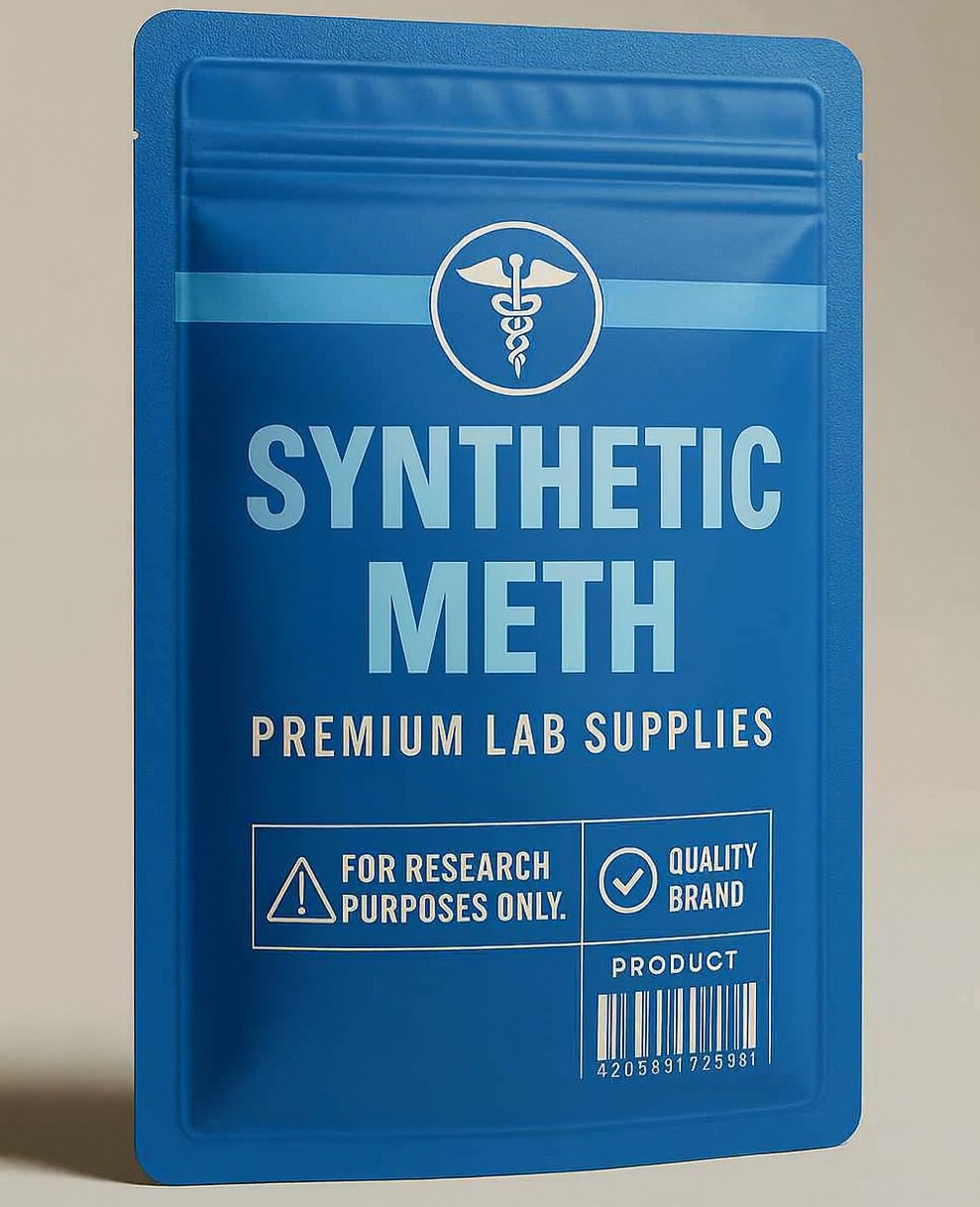
The Hidden Dangers of Methamphetamine
Methamphetamine, commonly known as meth, crystal, ice, or speed, remains one of the most misunderstood yet devastating substances affecting communities worldwide. Despite extensive public awareness campaigns, the dangers of methamphetamine continue to be underestimated by many, particularly those encountering it for the first time. Recent data from 2025 indicates that methamphetamine use is experiencing a concerning resurgence in many regions, with prices falling and accessibility increasing.
The hidden dangers of methamphetamine extend far beyond the immediate high, affecting virtually every aspect of users’ physical health, mental well-being, and social functioning.
The dangers of methamphetamine are particularly insidious because the drug initially produces intense euphoria and energy, masking the severe damage occurring within the body and brain. As we’ll explore throughout this article, the dangers of methamphetamine manifest in both acute and chronic forms, from cardiovascular emergencies to profound cognitive impairment.
Understanding these hidden dangers of methamphetamine is essential not just for potential users, but for families, healthcare providers, educators, and policymakers working to address this growing public health crisis.
What Is Methamphetamine?
Methamphetamine is a powerful synthetic stimulant that affects the central nervous system. Unlike naturally derived stimulants such as cocaine, the dangers of methamphetamine stem partly from its entirely synthetic nature, allowing for potent and consistent effects. Chemically similar to amphetamine, methamphetamine belongs to a class of drugs known as psychostimulants, but with significantly more pronounced effects on the central nervous system.
What distinguishes methamphetamine from other stimulants and contributes to the unique dangers of methamphetamine is its mechanism of action. While most stimulants primarily increase dopamine levels in the brain, methamphetamine not only blocks the reuptake of dopamine but also actively increases its release, resulting in dramatically higher concentrations.
This flooding of dopamine produces the intense euphoria that makes methamphetamine highly addictive, but also underlies many of the dangers of methamphetamine to the brain’s reward system and overall function.
The dangers of methamphetamine are compounded by its various forms and administration methods. Crystal methamphetamine, a crystalline form that resembles glass fragments, can be smoked, injected, snorted, or ingested orally. Each method of administration carries its own set of risks, contributing to the multifaceted dangers of methamphetamine use.
How Methamphetamine Affects the Body
The immediate dangers of methamphetamine to physical health are extensive and can manifest within minutes of use. One of the most significant dangers of methamphetamine involves its effects on the cardiovascular system. The drug causes rapid increases in heart rate and blood pressure, constricts blood vessels, and can trigger irregular heart rhythms.
These cardiovascular dangers of methamphetamine can lead to life-threatening conditions, including heart attack, stroke, and aortic dissection, even in young, otherwise healthy individuals.
Neurological dangers of methamphetamine are equally concerning. The drug’s powerful stimulant effects can cause hyperthermia (dangerously high body temperature), seizures, and in severe cases, brain hemorrhage. These acute neurological dangers of methamphetamine can result in permanent brain damage or death if not treated promptly.
The dangers of methamphetamine to oral health are particularly visible and have led to the term “meth mouth” – a condition characterized by severe dental decay, gum disease, and tooth loss. This results from a combination of factors: the drug’s tendency to reduce saliva production, increase consumption of sugary beverages, promote teeth grinding, and neglect of basic dental hygiene. The visible dental dangers of methamphetamine often become a stigmatizing marker of use.
Dermatological dangers of methamphetamine include the development of sores, infections, and a condition known as “meth mites” – the sensation of insects crawling under the skin that leads to compulsive picking and scratching. These skin-related dangers of methamphetamine can result in serious infections and permanent scarring.
Mental Health and Psychological Risks
The psychological dangers of methamphetamine are profound and can manifest even after limited use. Acute psychological dangers of methamphetamine include intense anxiety, paranoia, confusion, and aggression. As use continues, these symptoms can escalate to full-blown psychosis characterized by hallucinations and delusions that are often indistinguishable from paranoid schizophrenia.
Long-term cognitive dangers of methamphetamine are particularly concerning. Research from 2025 indicates that chronic methamphetamine use is associated with reduced gray matter volume and thickness in frontal and limbic regions of the brain, as well as decreased fractional anisotropy in various white matter structures. These structural changes underlie many of the cognitive dangers of methamphetamine, including impaired decision-making, reduced learning capacity, and memory deficits that can persist long after cessation of use.
The emotional regulation dangers of methamphetamine are equally significant. Users often experience dramatic mood swings, depression, anhedonia (inability to feel pleasure), and increased risk of suicidal ideation. These emotional dangers of methamphetamine can persist for months or even years after discontinuing use, complicating recovery efforts.
Perhaps most concerning among the psychological dangers of methamphetamine is the risk of persistent psychotic symptoms. Studies indicate that methamphetamine-induced psychosis can last for months or years after an individual stops taking the drug, representing one of the most debilitating long-term dangers of methamphetamine use.
Addiction and Dependence
The addictive dangers of methamphetamine are particularly severe compared to many other substances of abuse. Methamphetamine’s powerful effect on the brain’s reward system creates a high risk for developing dependence, even after limited exposure. The neurochemical dangers of methamphetamine stem from its mechanism of action – flooding the brain with dopamine at levels far exceeding those produced by natural rewards.
The tolerance-related dangers of methamphetamine further complicate the addiction picture. Users rapidly develop tolerance to the drug’s euphoric effects, leading to escalating doses and changing routes of administration to achieve the desired high. This tolerance development represents one of the most insidious dangers of methamphetamine, as it drives increasingly risky use patterns.
The craving-related dangers of methamphetamine are particularly challenging for recovery. The intense cravings experienced during methamphetamine withdrawal can persist for months or even years, representing one of the most persistent dangers of methamphetamine addiction. These cravings, combined with the anhedonia and depression that often accompany withdrawal, create a significant risk for relapse.
The neuroplasticity dangers of methamphetamine further complicate recovery. The drug essentially “rewires” the brain’s reward and motivation circuits, creating long-lasting changes that can make it difficult to experience pleasure from natural rewards. These neuroadaptive dangers of methamphetamine help explain why relapse rates remain high even after prolonged periods of abstinence.
Hidden Health Consequences of Long-Term Use
Among the less recognized dangers of methamphetamine are its effects on immune function. Chronic use suppresses the immune response, making users more vulnerable to infections and illness. These immunological dangers of methamphetamine are compounded by the lifestyle factors often associated with regular use, including poor nutrition and inadequate self-care.
The metabolic dangers of methamphetamine include severe weight loss, malnutrition, and vitamin deficiencies. While the appetite-suppressing effect might initially seem desirable to some users, the resulting nutritional dangers of methamphetamine can lead to serious health complications, including muscle wasting and organ damage.
Sleep-related dangers of methamphetamine are significant and often overlooked. The drug can cause extended periods of wakefulness followed by “crashes” characterized by excessive sleeping. This disruption of normal sleep architecture represents one of the hidden dangers of methamphetamine, as chronic sleep disturbance contributes to cognitive impairment, mood disorders, and reduced immune function.
The dangers of methamphetamine to sexual health include increased risk-taking behaviors, reduced inhibition, and physiological effects that can enhance sexual desire while impairing performance. These sexual health dangers of methamphetamine contribute to increased rates of sexually transmitted infections among users, including HIV and hepatitis.
Hormonal dangers of methamphetamine include disruption of normal endocrine function, affecting everything from reproductive health to stress response. These endocrine-related dangers of methamphetamine can have far-reaching effects on overall health and well-being, often persisting long after drug use has ceased.
Social and Community Impact
The family-related dangers of methamphetamine extend far beyond the individual user. Methamphetamine use frequently leads to neglect of parental responsibilities, domestic violence, and family breakdown. Children in homes where methamphetamine is used face numerous dangers, including exposure to the drug itself, neglect, abuse, and the trauma of witnessing parental impairment or arrest.
The relationship dangers of methamphetamine are equally devastating. The behavioral changes, paranoia, and aggression associated with methamphetamine use frequently destroy intimate partnerships and friendships. These social dangers of methamphetamine often leave users increasingly isolated, further exacerbating psychological distress and limiting support for recovery.
The community-level dangers of methamphetamine include increased crime rates, particularly property crimes and violence. Recent data from 2025 indicates that methamphetamine use is associated with higher rates of violent behavior compared to many other substances of abuse. These public safety dangers of methamphetamine affect not only users but entire neighborhoods and communities.
The homelessness dangers of methamphetamine are increasingly evident in many urban areas. The combination of addiction, cognitive impairment, and social isolation associated with methamphetamine use contributes significantly to housing instability. These housing-related dangers of methamphetamine create additional barriers to recovery and further strain social service systems.
The incarceration dangers of methamphetamine disproportionately affect disadvantaged communities. The criminalization of methamphetamine use, combined with the criminal activities often undertaken to support addiction, has led to high rates of imprisonment. These legal dangers of methamphetamine further complicate recovery by creating barriers to employment, housing, and social reintegration after release.
Economic Costs to Society
The healthcare-related dangers of methamphetamine translate into enormous economic costs. Emergency department visits, inpatient hospitalizations, mental health services, and addiction treatment all contribute to the financial burden. The acute medical dangers of methamphetamine, including overdose, psychosis, and traumatic injuries, are particularly resource-intensive to address.
The productivity dangers of methamphetamine affect both individual users and the broader economy. Absenteeism, reduced work performance, unemployment, and disability all contribute to the economic impact. These workplace dangers of methamphetamine represent a significant portion of the overall societal cost of the drug.
The social service dangers of methamphetamine include increased demand for child welfare interventions, homeless services, and other support programs. The strain on these systems represents one of the hidden dangers of methamphetamine to community infrastructure and resources.
The insurance-related dangers of methamphetamine include increased premiums and healthcare costs for everyone. The high cost of treating methamphetamine-related conditions, particularly when intervention occurs only after severe complications have developed, represents one of the systemic dangers of methamphetamine to healthcare economics.
The intergenerational economic dangers of methamphetamine are particularly concerning. Children exposed to parental methamphetamine use face increased risk of educational challenges, behavioral problems, and future substance use, perpetuating cycles of disadvantage. These long-term economic dangers of methamphetamine highlight the importance of early intervention and family-focused treatment approaches.
Methamphetamine and Public Safety
The environmental dangers of methamphetamine production are substantial. Clandestine laboratories use hazardous chemicals that can contaminate soil, water, and air. These environmental dangers of methamphetamine extend well beyond the immediate production site, affecting entire ecosystems and communities.
The dangers of methamphetamine to first responders include exposure to toxic chemicals, violent encounters with individuals experiencing psychosis, and the risk of encountering booby traps at production sites. These occupational dangers of methamphetamine necessitate specialized training and equipment for law enforcement, firefighters, and emergency medical personnel.
The driving-related dangers of methamphetamine contribute to increased rates of traffic accidents and fatalities. The combination of impaired judgment, risk-taking behavior, and potential psychosis creates significant public safety risks. These transportation dangers of methamphetamine affect not only users but also anyone sharing the road with them.
The weapons-related dangers of methamphetamine stem from the paranoia and aggression often associated with use, as well as the connection between methamphetamine distribution and organized crime. The combination of impaired judgment and access to firearms represents one of the most acute public safety dangers of methamphetamine.
The public health dangers of methamphetamine include increased transmission of infectious diseases through needle sharing and risky sexual behavior. The 2025 data show concerning trends in HIV and hepatitis rates among people who inject methamphetamine, highlighting the infectious disease dangers of methamphetamine to broader public health.
Why These Dangers Are Often Overlooked
The stigma surrounding methamphetamine use represents one of the barriers to addressing its dangers. Unlike some substances that have been partially normalized or medicalized, the stigma-related dangers of methamphetamine often prevent users from seeking help and contribute to social isolation. This stigmatization represents one of the hidden dangers of methamphetamine, as it drives use underground and complicates intervention efforts.
Media misrepresentation of the dangers of methamphetamine can create either excessive fear or dangerous minimization. Sensationalized portrayals focus on extreme cases while failing to address the more common but equally serious risks. These information-related dangers of methamphetamine contribute to public misunderstanding and ineffective policy responses.
The normalization dangers of methamphetamine in certain communities or subcultures can lead to an underestimation of risks. When use becomes commonplace, the perception of danger often diminishes. These cultural dangers of methamphetamine highlight the importance of targeted education and intervention strategies.
The self-medication dangers of methamphetamine are frequently overlooked. Many users initially turn to the drug to cope with underlying mental health conditions, trauma, or chronic stress. These psychological dangers of methamphetamine use as self-treatment often go unaddressed, focusing solely on the addiction while neglecting its root causes.
The delayed-consequence dangers of methamphetamine contribute to risk underestimation. Many of the most serious health effects develop gradually over time, making it easier for users to deny or minimize risks. These temporal dangers of methamphetamine highlight the importance of education about both short and long-term effects.
Prevention, Education, and Harm Reduction
Effective educational approaches about the dangers of methamphetamine must be evidence-based, age-appropriate, and non-stigmatizing. Rather than relying on fear tactics, education about the dangers of methamphetamine should provide accurate information about risks while acknowledging the complex factors that contribute to use.
Community-based prevention of the dangers of methamphetamine requires addressing underlying social determinants, including poverty, trauma, and lack of opportunity. These structural approaches to mitigating the dangers of methamphetamine recognize that individual choices occur within broader social contexts.
Early intervention for the dangers of methamphetamine is crucial, particularly for adolescents and young adults. Identifying and addressing risk factors before dependence develops represents one of the most effective strategies for preventing the severe dangers of methamphetamine addiction.
Harm reduction approaches to the dangers of methamphetamine include needle exchange programs, safe consumption sites, and education about safer use practices. While controversial in some contexts, these pragmatic approaches to mitigating the dangers of methamphetamine can reduce infectious disease transmission and connect users with healthcare and social services.
Public awareness campaigns about the dangers of methamphetamine are most effective when they avoid stigmatization while providing accurate information. These communication-based approaches to addressing the dangers of methamphetamine should be tailored to specific audiences and cultural contexts.
Treatment and Recovery Options
Evidence-based treatment for the dangers of methamphetamine addiction includes behavioral therapies, particularly cognitive-behavioral approaches and contingency management. These therapeutic approaches to addressing the dangers of methamphetamine focus on changing thought patterns and behaviors while providing incentives for abstinence.
Medication development for treating the dangers of methamphetamine addiction continues, though options remain limited compared to opioid addiction treatment. Research into pharmacological approaches to mitigating the dangers of methamphetamine represents an important frontier in addiction medicine.
Holistic recovery from the dangers of methamphetamine requires addressing co-occurring mental health conditions, which are present in a high percentage of users. These integrated approaches to treating the dangers of methamphetamine recognize the complex interplay between substance use and psychological well-being.
Support systems play a crucial role in recovery from the dangers of methamphetamine. Peer support groups, family involvement, and community reintegration all contribute to sustained recovery. These social approaches to overcoming the dangers of methamphetamine highlight the importance of connection and belonging in the healing process.
Access to care remains a significant barrier to addressing the dangers of methamphetamine. Many individuals facing the dangers of methamphetamine addiction lack insurance coverage, transportation, or nearby treatment facilities. Expanding access represents one of the most important policy approaches to combating the dangers of methamphetamine at a population level.
Conclusion
The hidden dangers of methamphetamine extend far beyond the immediate high, affecting virtually every aspect of users’ physical, mental, and social well-being. From cardiovascular damage to profound cognitive impairment, from family breakdown to community harm, the dangers of methamphetamine represent one of our most pressing public health challenges.
Addressing the dangers of methamphetamine requires a comprehensive approach that combines prevention, harm reduction, treatment, and policy reform. By understanding the full spectrum of dangers of methamphetamine – both obvious and hidden – we can develop more effective strategies for reducing harm and supporting recovery.
The dangers of methamphetamine affect not just individual users but families, communities, and society as a whole. By approaching this issue with compassion rather than judgment, with evidence rather than fear, we can work together to mitigate the dangers of methamphetamine and build healthier communities for all.

FAQ
- What are the long-term effects of methamphetamine on the brain?
Long-term methamphetamine use can cause structural changes in the brain, including reduced gray matter in frontal and limbic regions, affecting decision-making, memory, and emotional regulation. - How addictive is methamphetamine compared to other drugs?
Methamphetamine is considered one of the most addictive substances due to its powerful effects on dopamine release and the rapid development of tolerance. - Can you recover from methamphetamine addiction?
Yes, recovery is possible with appropriate treatment, though it often requires long-term support due to persistent cravings and neurological changes. - What are the signs someone is using methamphetamine?
Signs include dramatic weight loss, dental problems, skin sores, insomnia, paranoia, agitation, and erratic behavior. - How does methamphetamine affect heart health?
Methamphetamine can cause increased heart rate, blood pressure, irregular heartbeat, and vasoconstriction, potentially leading to heart attack, stroke, and other cardiovascular emergencies. - Is methamphetamine-induced psychosis permanent?
While methamphetamine-induced psychosis often resolves with abstinence, some individuals experience persistent psychotic symptoms for months or years after stopping use. - What treatment options exist for methamphetamine addiction?
Treatment typically includes behavioral therapies like cognitive-behavioral therapy and contingency management, along with support groups and treatment for co-occurring mental health conditions. - How does methamphetamine use impact communities?
Community impacts include increased crime rates, strain on healthcare and social service systems, environmental contamination from production, and public health risks from infectious disease transmission. - Can occasional methamphetamine use be safe?
No, even occasional use carries significant risks, including overdose, psychosis, and cardiovascular emergencies, while also creating risk for developing addiction. - How is methamphetamine different from prescription stimulants?
Methamphetamine is more potent, has longer-lasting effects, and causes more severe dopamine release than prescription stimulants, resulting in greater addiction potential and neurotoxicity.