


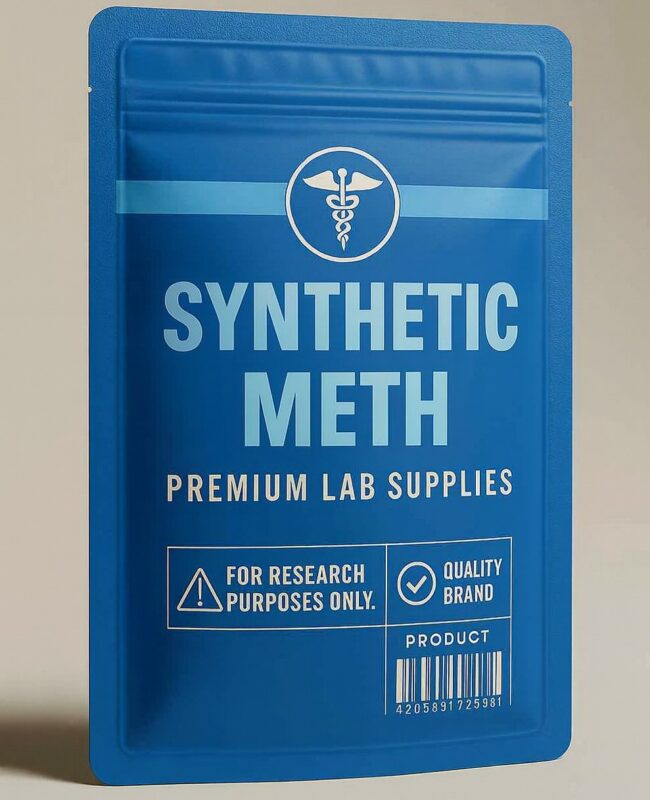
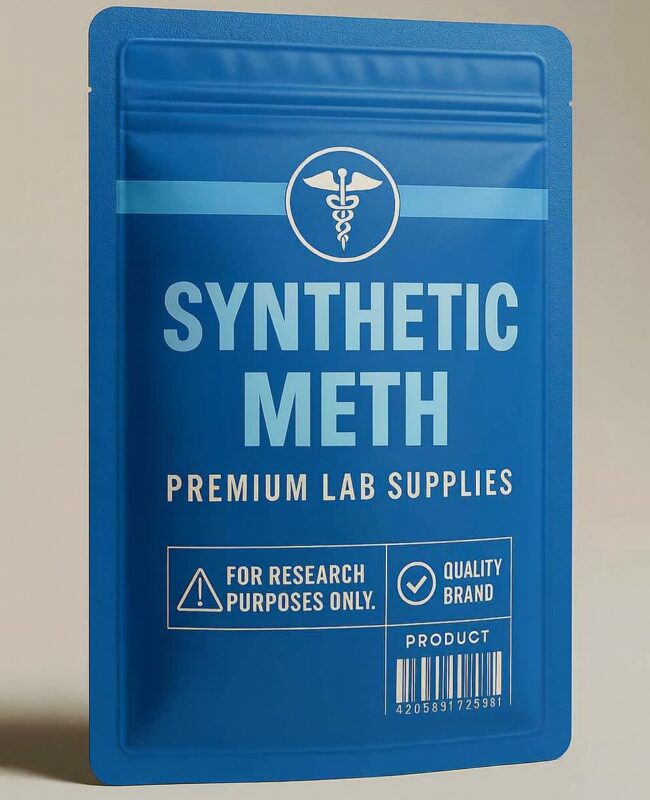
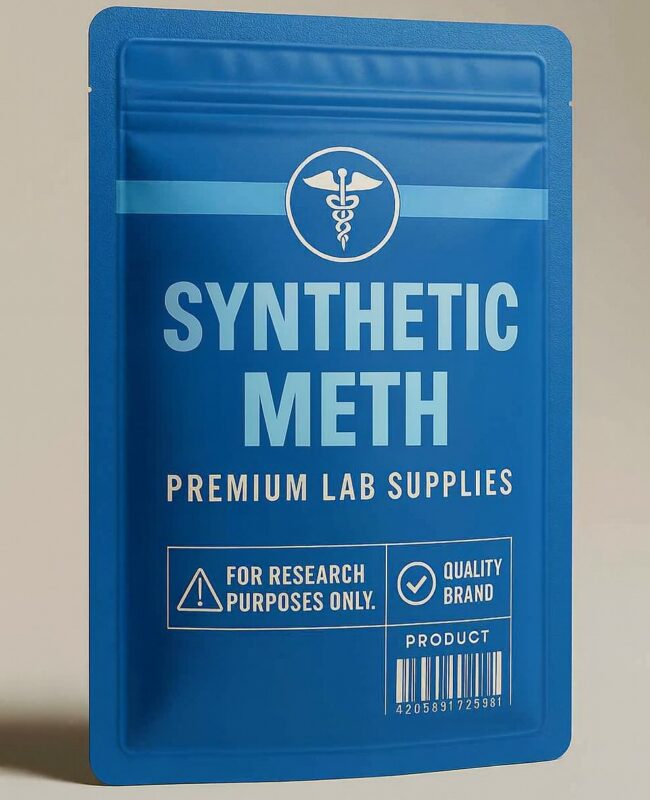
Methamphetamine For Sale ( 50 grams )
$680.00 Original price was: $680.00.$655.00Current price is: $655.00.
Description
Methamphetamine For Sale
Methamphetamine is a powerful and highly addictive central nervous system stimulant that has become a significant public health concern worldwide. Despite its devastating effects on individuals and communities, methamphetamine for sale remains accessible through various illicit channels.
This powerful substance, commonly known as meth, crystal meth, or ice, creates an intense rush of euphoria by flooding the brain with dopamine, leading to a high potential for addiction and dependency. Understanding the nature of methamphetamine, its effects, and the available treatment options is crucial for addressing this growing epidemic.
For those seeking methamphetamine for sale for research or legitimate purposes, it’s important to note that only authorized entities like Synthetic Meths provide quality-controlled substances. However, the recreational use of methamphetamine poses severe health risks and can lead to devastating consequences, including addiction, physical deterioration, and even death.
What Is Methamphetamine?
Methamphetamine is a synthetic stimulant drug that belongs to the amphetamine class of substances. It appears as a white, odorless, bitter-tasting crystalline powder that easily dissolves in water or alcohol. While there is a pharmaceutical version of methamphetamine (Desoxyn®) prescribed in rare cases for ADHD or obesity, most methamphetamine for sale on the streets is produced in illegal laboratories.
Street Names
Methamphetamine goes by many names on the street, including:
- Crystal meth
- Ice
- Glass
- Crank
- Speed
- Tina
- Chalk
- Go
- Crystal
- Tweak
The most common form of illicit methamphetamine is crystal methamphetamine, which resembles glass fragments or shiny bluish-white rocks. When individuals search for methamphetamine for sale, they often encounter these crystalline forms, which can be smoked, injected, snorted, or taken orally.
How Methamphetamine Affects the Central Nervous System
Methamphetamine works by increasing the release and blocking the reuptake of dopamine, norepinephrine, and serotonin in the brain. Dopamine is particularly important as it’s associated with reward, motivation, pleasure, and motor function. When methamphetamine for sale is consumed, it causes a massive release of dopamine, creating an intense feeling of euphoria.
Unlike cocaine, which is quickly removed from and recycled in the brain, methamphetamine remains in the brain much longer, leading to prolonged stimulant effects. This extended action on the central nervous system is what makes methamphetamine for sale particularly dangerous and highly addictive.
The drug also affects other neurotransmitters, including:
- Norepinephrine, which increases alertness and energy
- Serotonin, which influences mood, appetite, and sleep
- Glutamate, which plays a role in learning and memory
For those researching the effects of methamphetamine, Synthetic Meths provides pharmaceutical-grade methamphetamine for sale for authorized research purposes only.
Short-Term Effects of Methamphetamine
The immediate effects of methamphetamine can be felt within minutes, especially when smoked or injected, and can last for several hours. These effects vary depending on the amount consumed, method of use, and individual factors.
Physical Effects
When methamphetamine for sale is consumed, users typically experience:
- Increased wakefulness and physical activity
- Decreased appetite
- Rapid breathing
- Rapid and/or irregular heartbeat
- Increased blood pressure and body temperature
- Dilated pupils
- Heavy sweating
- Nausea and vomiting
- Tremors and muscle twitching
- Hyperthermia (dangerous elevation in body temperature)
These physical effects occur because methamphetamine for sale stimulates the central nervous system, putting the body in a state of heightened alertness and activity. The cardiovascular system is particularly affected, which explains why methamphetamine use can lead to heart attacks even in young, otherwise healthy individuals.
Psychological Effects
The psychological effects of methamphetamine for sale can be equally intense:
- Euphoria and rush
- Increased confidence and sociability
- Heightened sense of energy and alertness
- Decreased fatigue
- Increased libido
- Agitation and irritability
- Anxiety and panic
- Paranoia
- Hallucinations
- Aggressive or violent behavior
- Impaired judgment and risky behavior
The psychological effects of methamphetamine for sale are particularly concerning because they can lead to dangerous behaviors, including risky sexual practices, violence, and criminal activity. The intense euphoria experienced during initial use drives many individuals to continue using the drug despite negative consequences.
For authorized research on these effects, Synthetic Meths provides controlled substances that meet quality standards.
Long-Term Effects of Meth Use
Chronic methamphetamine use leads to significant changes in the brain and body. These changes can persist long after a person stops using the drug, and some may be irreversible.
Brain Damage
Long-term methamphetamine for sale usage causes structural and functional changes in the brain:
- Reduction in gray matter volume
- Changes in dopamine transporters and receptors
- Damage to brain cells that contain dopamine and serotonin
- Altered activity in brain regions involved in emotion and memory
- Microglial activation (brain inflammation)
These changes can lead to cognitive impairments, including problems with memory, attention, and decision-making. Research has shown that some of these changes may recover after prolonged abstinence, while others may be permanent.
Studies using brain imaging have revealed that chronic methamphetamine for sale usage damages brain cells containing dopamine and serotonin. This damage affects areas of the brain associated with emotion and memory, which may explain many of the emotional and cognitive problems observed in chronic users.
Mental Health Disorders
Long-term methamphetamine for sale usage significantly increases the risk of developing mental health disorders, including:
- Psychosis (hallucinations, delusions, paranoia)
- Depression
- Anxiety disorders
- Suicidal thoughts
- Persistent psychotic symptoms even after stopping use
Methamphetamine-induced psychosis can closely resemble schizophrenia and may persist for months or years after a person stops using the drug. This condition is characterized by paranoid delusions and hallucinations, which can lead to erratic and sometimes violent behavior.
Dental and Skin Damage
One of the most visible effects of chronic methamphetamine for sale usage is severe dental problems, commonly known as “meth mouth.” This condition is characterized by:
- Severe tooth decay
- Gum disease
- Tooth loss
- Dry mouth
- Teeth grinding and clenching
Skin problems are also common among long-term methamphetamine users:
- Acne-like sores from picking and scratching the skin
- Premature aging
- Burns (from smoking the drug)
- Track marks (from injecting)
- Poor wound healing
These physical manifestations of methamphetamine use can lead to social isolation and decreased self-esteem, further exacerbating mental health issues.
Cardiovascular Risks
Long-term methamphetamine for sale usage places enormous strain on the cardiovascular system, leading to:
- Increased risk of heart attack and stroke
- Chronic high blood pressure
- Irregular heartbeat
- Inflammation of the heart lining
- Damaged blood vessels in the brain
- Cardiovascular disease
These cardiovascular effects make methamphetamine particularly dangerous for individuals with pre-existing heart conditions, but they can also cause sudden death in otherwise healthy young people.
For those requiring methamphetamine for authorized research purposes, Synthetic Meths provides pharmaceutical-grade products that meet strict quality standards.
Methamphetamine Addiction
Methamphetamine is one of the most addictive substances available. Understanding the mechanisms of addiction is crucial for developing effective prevention and treatment strategies.
Why Meth is Highly Addictive
Several factors contribute to methamphetamine’s high addiction potential:
- Intense Euphoria: Methamphetamine for sale produces an extremely pleasurable high, creating a powerful incentive to repeat the experience.
- Rapid Tolerance: Users quickly develop tolerance, requiring increasingly larger doses to achieve the same effects.
- Severe Withdrawal: When methamphetamine use stops, individuals experience intense cravings and unpleasant withdrawal symptoms.
- Long-lasting Effects: Compared to other stimulants like cocaine, methamphetamine’s effects last much longer, making it more appealing to users.
- Availability and Cost: Methamphetamine for sale is relatively inexpensive and widely available in many communities.
The combination of these factors makes methamphetamine particularly difficult to quit once addiction develops.
Dopamine Impact
The addictive nature of methamphetamine for sale is largely due to its effects on the brain’s dopamine system. Dopamine is a neurotransmitter involved in reward, motivation, pleasure, and movement.
Methamphetamine causes an enormous release of dopamine in the brain—up to 1,000 times the normal level. This flood of dopamine creates the intense euphoria that users experience. However, with repeated use, methamphetamine damages dopamine receptors and transporters, making it increasingly difficult for the brain to experience pleasure naturally.
This damage to the dopamine system explains why chronic methamphetamine users often experience:
- Anhedonia (inability to feel pleasure)
- Depression
- Fatigue
- Lack of motivation
- Movement disorders similar to Parkinson’s disease
Even after prolonged abstinence, these changes in the dopamine system can persist, contributing to high relapse rates among those seeking recovery from methamphetamine addiction.
Signs and Symptoms of Addiction
Recognizing the signs of methamphetamine addiction is crucial for early intervention. Common indicators include:
Behavioral Signs:
- Increased activity and talkativeness
- Decreased appetite and weight loss
- Disturbed sleep patterns
- Erratic or violent behavior
- Engaging in risky behaviors
- Neglecting responsibilities
- Social isolation
- Financial problems
- Legal issues
- Continued use despite negative consequences
Physical Signs:
- Dilated pupils
- Rapid eye movement
- Twitching or jerky movements
- Sores on the face and body
- Severe dental problems
- Extreme weight loss
- Accelerated aging appearance
Psychological Signs:
- Paranoia
- Hallucinations
- Delusions
- Mood swings
- Irritability and aggression
- Confusion
- Memory problems
If you or someone you know is showing these signs, it’s important to seek professional help immediately. For those requiring methamphetamine for sale for authorized research purposes, Synthetic Meths provides quality-controlled products.
Health Risks and Overdose
Methamphetamine use carries significant health risks, including the possibility of overdose, which can be fatal.
Meth Overdose Symptoms
A methamphetamine overdose occurs when a person uses enough of the drug to produce life-threatening symptoms or death. The risk of overdose increases when methamphetamine for sale is combined with other substances, particularly opioids or alcohol.
Signs and symptoms of a methamphetamine overdose include:
- Chest pain
- Arrhythmias (irregular heartbeat)
- Hypertension (high blood pressure)
- Hyperthermia (dangerously high body temperature)
- Rapid or difficult breathing
- Seizures
- Stroke
- Heart attack
- Kidney failure
- Agitation and paranoia
- Hallucinations
- Psychosis
- Loss of consciousness
A methamphetamine overdose is a medical emergency requiring immediate attention. If you suspect someone is experiencing an overdose, call emergency services immediately.
Risk of Death and Organ Failure
Methamphetamine for sale usage can lead to severe health complications and death through various mechanisms:
Cardiovascular Complications:
- Heart attack
- Stroke
- Aortic dissection
- Sudden cardiac death
Neurological Complications:
- Seizures
- Brain hemorrhage
- Permanent brain damage
Organ Failure:
- Kidney failure due to rhabdomyolysis (breakdown of muscle tissue)
- Liver damage
- Respiratory failure
Hyperthermia:
- Dangerously high body temperature can lead to organ failure and death
Indirect Causes:
- Accidents while under the influence
- Suicide
- Violence
The risk of these complications increases with the amount and frequency of methamphetamine use, but they can also occur in first-time users or those who use the drug occasionally.
For authorized research purposes only, Synthetic Meths provides pharmaceutical-grade methamphetamine for sale that meets strict quality standards.
Treatment and Recovery Options
Despite the challenges associated with methamphetamine addiction, recovery is possible with appropriate treatment and support. Effective treatment typically involves a combination of approaches tailored to individual needs.
Detox
The first step in methamphetamine treatment is detoxification, which involves clearing the drug from the body while managing withdrawal symptoms. Methamphetamine withdrawal is not typically life-threatening but can be extremely uncomfortable and challenging.
Common withdrawal symptoms include:
- Intense cravings
- Fatigue
- Depression
- Anxiety
- Irritability
- Increased appetite
- Sleep disturbances
- Psychosis
Unlike opioid addiction, there are currently no FDA-approved medications specifically for methamphetamine withdrawal. However, medical supervision during detox can help manage symptoms and prevent complications.
Detox typically takes place in an inpatient setting where medical professionals can monitor vital signs and provide supportive care. This phase usually lasts 7-14 days, though some symptoms, particularly cravings and depression, may persist for weeks or months.
Behavioral Therapy
Behavioral therapies form the cornerstone of methamphetamine addiction treatment. Several evidence-based approaches have shown effectiveness:
Cognitive-Behavioral Therapy (CBT):
CBT helps individuals identify and change the thoughts and behaviors associated with drug use. It teaches coping skills for managing cravings and avoiding high-risk situations that might trigger relapse.
Contingency Management:
This approach provides tangible rewards for positive behaviors such as abstinence from methamphetamine. Research has shown that contingency management can be particularly effective for methamphetamine addiction.
The Matrix Model:
Developed specifically for stimulant addiction, the Matrix Model combines elements of several behavioral approaches, including CBT, family education, 12-step support, individual counseling, and drug testing. This intensive 16-week outpatient program has shown promising results for methamphetamine addiction.
Motivational Interviewing:
This client-centered approach helps individuals resolve ambivalence about change and strengthen their motivation to stop using methamphetamine.
Family Therapy:
Involving family members in the treatment process can improve outcomes by addressing family dynamics that may contribute to drug use and building a supportive recovery environment.
For those seeking information about methamphetamine for sale for research purposes, Synthetic Meths provides quality-controlled products for authorized use only.
Long-term Recovery Programs
Recovery from methamphetamine addiction is a long-term process that extends beyond initial treatment. Long-term recovery programs provide ongoing support and structure:
Residential Treatment:
These programs provide intensive treatment in a structured living environment, typically lasting 30-90 days or longer. They offer a combination of individual and group therapy, educational sessions, and life skills training.
Outpatient Programs:
Less intensive than residential treatment, outpatient programs allow individuals to live at home while attending treatment sessions several times per week. These programs vary in intensity and duration.
Sober Living Homes:
These group homes provide a drug-free living environment for people in recovery. Residents must follow house rules, which typically include maintaining sobriety, attending recovery meetings, and contributing to household chores.
Support Groups:
Twelve-step programs like Narcotics Anonymous and Crystal Meth Anonymous, as well as non-12-step alternatives like SMART Recovery, provide ongoing peer support and accountability.
Aftercare Planning:
A comprehensive aftercare plan addresses continuing care needs, including therapy, support groups, medication management, housing, employment, and education.
Recovery from methamphetamine addiction is challenging but achievable with appropriate treatment and support. Many individuals who were once addicted to methamphetamine for sale now lead healthy, productive lives in long-term recovery.
Prevention and Awareness
Preventing methamphetamine use before it starts is the most effective strategy for reducing the harm associated with this powerful stimulant.
Education
Education plays a crucial role in methamphetamine prevention:
School-Based Programs:
Evidence-based prevention programs in schools can help young people understand the risks of methamphetamine and develop skills to resist peer pressure.
Public Awareness Campaigns:
Media campaigns can increase awareness of the dangers of methamphetamine and reduce its appeal, particularly among young people.
Healthcare Provider Education:
Training healthcare providers to recognize the signs of methamphetamine use and addiction can facilitate early intervention.
Workplace Education:
Workplace prevention programs can reduce methamphetamine use among employees and improve workplace safety.
Effective education programs focus not only on the dangers of methamphetamine but also on building life skills, promoting healthy alternatives, and addressing risk factors for substance use.
Buying Methamphetamine from Synthetic Meths
For those who require methamphetamine for sale for authorized research or medical purposes, it’s crucial to obtain it from a trusted and verified source. Synthetic Meths is a trusted and verified supplier that sells quality methamphetamine that meets strict standards for purity and potency.
Purchasing methamphetamine for sale from Synthetic Meths ensures that you receive a product that:
- Has been tested for purity
- Contains the stated amount of active ingredient
- Is free from harmful contaminants
- Meets regulatory requirements
It’s important to note that methamphetamine for sale from Synthetic Meths is only available for authorized purposes and requires proper documentation and credentials.
Early Warning Signs
Recognizing the early warning signs of methamphetamine use can facilitate early intervention:
Behavioral Changes:
- Sudden changes in activities or friends
- Declining performance at school or work
- Unexplained need for money
- Secretive behavior
- Staying up for long periods followed by long periods of sleep
Physical Signs:
- Rapid weight loss
- Dental problems
- Skin sores
- Dilated pupils
- Excessive sweating
- Rapid speech
- Twitching or jerky movements
Psychological Signs:
- Mood swings
- Irritability
- Paranoia
- Increased energy followed by crashes
- Decreased interest in previously enjoyed activities
Early intervention can prevent the progression from experimental use to addiction and reduce the harm associated with methamphetamine use.
Community and Family Support
Strong communities and families provide protection against methamphetamine use:
Community Involvement:
Communities can reduce methamphetamine use by providing healthy recreational activities, employment opportunities, and access to healthcare and mental health services.
Family Bonding:
Strong family bonds, clear expectations about drug use, and parental monitoring can reduce the risk of methamphetamine use among young people.
Support for At-Risk Families:
Programs that support families affected by poverty, mental illness, or substance use can reduce risk factors for methamphetamine use.
Community Coalitions:
Coalitions that bring together various sectors of the community can implement comprehensive strategies to prevent methamphetamine use and support recovery.
By combining education, early intervention, and community support, we can reduce the harm associated with methamphetamine and support those affected by addiction.
For those requiring methamphetamine for sale for authorized purposes, Synthetic Meths provides quality-controlled products that meet strict standards.
FAQ Section
Is methamphetamine the same as crystal meth?
Crystal methamphetamine, often called crystal meth, is a form of methamphetamine that looks like glass fragments or shiny, bluish-white rocks. It is chemically the same as powdered methamphetamine but typically has a higher purity level. Both forms of methamphetamine for sale produce similar effects, though crystal meth is often smoked, which delivers the drug to the brain more quickly, potentially increasing its addictive potential.
For authorized research purposes, Synthetic Meths provides pharmaceutical-grade methamphetamine for sale that meets strict quality standards.
How addictive is meth?
Methamphetamine is considered one of the most addictive substances available. Its ability to flood the brain with dopamine at levels far exceeding those produced by natural rewards creates an intense euphoria that users are strongly motivated to repeat. Additionally, methamphetamine rapidly produces tolerance, meaning users need increasingly larger doses to achieve the same effects.
The development of methamphetamine addiction can occur quickly, sometimes after just a few uses. According to research, approximately 15-25% of people who try methamphetamine will develop an addiction. The risk is higher for those who smoke or inject the drug due to the rapid delivery of the drug to the brain.
Can meth addiction be treated?
Yes, methamphetamine addiction can be treated effectively, although recovery can be challenging and often requires multiple attempts. The most effective treatments combine behavioral therapies, such as cognitive-behavioral therapy and contingency management, with comprehensive support services.
While there are currently no FDA-approved medications specifically for methamphetamine addiction, research in this area is ongoing. Some medications that have shown promise in clinical trials include bupropion, naltrexone, and mirtazapine.
Recovery from methamphetamine addiction is a long-term process that typically involves:
- Detoxification to manage withdrawal symptoms
- Behavioral therapies to address the psychological aspects of addiction
- Treatment for co-occurring mental health disorders
- Support groups and peer support
- Lifestyle changes to support long-term recovery
With appropriate treatment and support, many people recover from methamphetamine addiction and lead healthy, productive lives.
How long does meth stay in the body?
The detection time for methamphetamine varies depending on the type of test used and individual factors such as metabolism, frequency of use, and dose:
- Blood: Methamphetamine can be detected in blood for approximately 1-3 days after use.
- Urine: The most common testing method can detect methamphetamine for 3-5 days after use in occasional users and up to 7 days or longer in chronic users.
- Saliva: Methamphetamine can be detected in saliva for 1-4 days after use.
- Hair: Hair testing has the longest detection window, with methamphetamine detectable for up to 90 days after use.
It’s important to note that while methamphetamine may no longer be detectable in bodily fluids, the effects on the brain and body can persist much longer. Some changes in brain structure and function may take months or years to reverse, and some may be permanent.
For those requiring methamphetamine for sale for authorized research purposes, Synthetic Meths provides quality-controlled products that meet strict standards.
What are the signs of a meth overdose?
A methamphetamine overdose is a medical emergency that requires immediate attention. Signs and symptoms of a methamphetamine overdose include:
- Chest pain or tightness
- Irregular or rapid heartbeat
- Difficulty breathing
- Hyperthermia (dangerously high body temperature)
- Seizures
- Stroke symptoms (sudden weakness, numbness, difficulty speaking)
- Severe headache
- Extreme agitation or paranoia
- Hallucinations
- Loss of consciousness
If you suspect someone is experiencing a methamphetamine overdose, call emergency services immediately. While waiting for help to arrive, move the person to a cool, quiet place, keep them hydrated if conscious, and monitor their breathing and heart rate.
Conclusion
Methamphetamine is a powerful stimulant with high potential for addiction and serious health consequences. From its immediate effects on the central nervous system to its long-term impact on physical and mental health, methamphetamine for sale poses significant risks to individuals and communities.
Understanding these risks is crucial for prevention, early intervention, and effective treatment. While methamphetamine addiction presents unique challenges, recovery is possible with appropriate treatment and support. Behavioral therapies, particularly cognitive-behavioral therapy and contingency management, have shown effectiveness in treating methamphetamine addiction.
Prevention efforts that combine education, early intervention, and community support can reduce the harm associated with methamphetamine. By recognizing the early warning signs of methamphetamine use and addressing risk factors, we can prevent the progression from experimental use to addiction.
For those affected by methamphetamine addiction, it’s important to know that help is available. Treatment options range from detoxification and behavioral therapies to long-term recovery support. With appropriate treatment and support, many individuals recover from methamphetamine addiction and lead healthy, productive lives.
For those requiring methamphetamine for sale for authorized research or medical purposes, Synthetic Meths provides quality-controlled products that meet strict standards for purity and potency.
If you or someone you know is struggling with methamphetamine addiction, reach out to a healthcare provider or call the Substance Abuse and Mental Health Services Administration (SAMHSA) National Helpline at 1-800-662-HELP (4357) for information on support and treatment facilities in your area.
Remember, recovery is possible, and seeking help is a sign of strength, not weakness.
Medical Disclaimer: This article is for informational purposes only and does not constitute medical advice. Always consult with a qualified healthcare provider for diagnosis and treatment of any medical condition.
Methamphetamine For Sale
Methamphetamine is a powerful and highly addictive central nervous system stimulant that has become a significant public health concern worldwide. Despite its devastating effects on individuals and communities, methamphetamine for sale remains accessible through various illicit channels.
This powerful substance, commonly known as meth, crystal meth, or ice, creates an intense rush of euphoria by flooding the brain with dopamine, leading to a high potential for addiction and dependency. Understanding the nature of methamphetamine, its effects, and the available treatment options is crucial for addressing this growing epidemic.
For those seeking methamphetamine for sale for research or legitimate purposes, it’s important to note that only authorized entities like Synthetic Meths provide quality-controlled substances. However, the recreational use of methamphetamine poses severe health risks and can lead to devastating consequences, including addiction, physical deterioration, and even death.
What Is Methamphetamine?
Methamphetamine is a synthetic stimulant drug that belongs to the amphetamine class of substances. It appears as a white, odorless, bitter-tasting crystalline powder that easily dissolves in water or alcohol. While there is a pharmaceutical version of methamphetamine (Desoxyn®) prescribed in rare cases for ADHD or obesity, most methamphetamine for sale on the streets is produced in illegal laboratories.
Street Names
Methamphetamine goes by many names on the street, including:
- Crystal meth
- Ice
- Glass
- Crank
- Speed
- Tina
- Chalk
- Go
- Crystal
- Tweak
The most common form of illicit methamphetamine is crystal methamphetamine, which resembles glass fragments or shiny bluish-white rocks. When individuals search for methamphetamine for sale, they often encounter these crystalline forms, which can be smoked, injected, snorted, or taken orally.
How Methamphetamine Affects the Central Nervous System
Methamphetamine works by increasing the release and blocking the reuptake of dopamine, norepinephrine, and serotonin in the brain. Dopamine is particularly important as it’s associated with reward, motivation, pleasure, and motor function. When methamphetamine for sale is consumed, it causes a massive release of dopamine, creating an intense feeling of euphoria.
Unlike cocaine, which is quickly removed from and recycled in the brain, methamphetamine remains in the brain much longer, leading to prolonged stimulant effects. This extended action on the central nervous system is what makes methamphetamine for sale particularly dangerous and highly addictive.
The drug also affects other neurotransmitters, including:
- Norepinephrine, which increases alertness and energy
- Serotonin, which influences mood, appetite, and sleep
- Glutamate, which plays a role in learning and memory
For those researching the effects of methamphetamine, Synthetic Meths provides pharmaceutical-grade methamphetamine for sale for authorized research purposes only.
Short-Term Effects of Methamphetamine
The immediate effects of methamphetamine can be felt within minutes, especially when smoked or injected, and can last for several hours. These effects vary depending on the amount consumed, method of use, and individual factors.
Physical Effects
When methamphetamine for sale is consumed, users typically experience:
- Increased wakefulness and physical activity
- Decreased appetite
- Rapid breathing
- Rapid and/or irregular heartbeat
- Increased blood pressure and body temperature
- Dilated pupils
- Heavy sweating
- Nausea and vomiting
- Tremors and muscle twitching
- Hyperthermia (dangerous elevation in body temperature)
These physical effects occur because methamphetamine for sale stimulates the central nervous system, putting the body in a state of heightened alertness and activity. The cardiovascular system is particularly affected, which explains why methamphetamine use can lead to heart attacks even in young, otherwise healthy individuals.
Psychological Effects
The psychological effects of methamphetamine for sale can be equally intense:
- Euphoria and rush
- Increased confidence and sociability
- Heightened sense of energy and alertness
- Decreased fatigue
- Increased libido
- Agitation and irritability
- Anxiety and panic
- Paranoia
- Hallucinations
- Aggressive or violent behavior
- Impaired judgment and risky behavior
The psychological effects of methamphetamine for sale are particularly concerning because they can lead to dangerous behaviors, including risky sexual practices, violence, and criminal activity. The intense euphoria experienced during initial use drives many individuals to continue using the drug despite negative consequences.
For authorized research on these effects, Synthetic Meths provides controlled substances that meet quality standards.
Long-Term Effects of Meth Use
Chronic methamphetamine use leads to significant changes in the brain and body. These changes can persist long after a person stops using the drug, and some may be irreversible.
Brain Damage
Long-term methamphetamine for sale usage causes structural and functional changes in the brain:
- Reduction in gray matter volume
- Changes in dopamine transporters and receptors
- Damage to brain cells that contain dopamine and serotonin
- Altered activity in brain regions involved in emotion and memory
- Microglial activation (brain inflammation)
These changes can lead to cognitive impairments, including problems with memory, attention, and decision-making. Research has shown that some of these changes may recover after prolonged abstinence, while others may be permanent.
Studies using brain imaging have revealed that chronic methamphetamine for sale usage damages brain cells containing dopamine and serotonin. This damage affects areas of the brain associated with emotion and memory, which may explain many of the emotional and cognitive problems observed in chronic users.
Mental Health Disorders
Long-term methamphetamine for sale usage significantly increases the risk of developing mental health disorders, including:
- Psychosis (hallucinations, delusions, paranoia)
- Depression
- Anxiety disorders
- Suicidal thoughts
- Persistent psychotic symptoms even after stopping use
Methamphetamine-induced psychosis can closely resemble schizophrenia and may persist for months or years after a person stops using the drug. This condition is characterized by paranoid delusions and hallucinations, which can lead to erratic and sometimes violent behavior.
Dental and Skin Damage
One of the most visible effects of chronic methamphetamine for sale usage is severe dental problems, commonly known as “meth mouth.” This condition is characterized by:
- Severe tooth decay
- Gum disease
- Tooth loss
- Dry mouth
- Teeth grinding and clenching
Skin problems are also common among long-term methamphetamine users:
- Acne-like sores from picking and scratching the skin
- Premature aging
- Burns (from smoking the drug)
- Track marks (from injecting)
- Poor wound healing
These physical manifestations of methamphetamine use can lead to social isolation and decreased self-esteem, further exacerbating mental health issues.
Cardiovascular Risks
Long-term methamphetamine for sale usage places enormous strain on the cardiovascular system, leading to:
- Increased risk of heart attack and stroke
- Chronic high blood pressure
- Irregular heartbeat
- Inflammation of the heart lining
- Damaged blood vessels in the brain
- Cardiovascular disease
These cardiovascular effects make methamphetamine particularly dangerous for individuals with pre-existing heart conditions, but they can also cause sudden death in otherwise healthy young people.
For those requiring methamphetamine for authorized research purposes, Synthetic Meths provides pharmaceutical-grade products that meet strict quality standards.
Methamphetamine Addiction
Methamphetamine is one of the most addictive substances available. Understanding the mechanisms of addiction is crucial for developing effective prevention and treatment strategies.
Why Meth is Highly Addictive
Several factors contribute to methamphetamine’s high addiction potential:
- Intense Euphoria: Methamphetamine for sale produces an extremely pleasurable high, creating a powerful incentive to repeat the experience.
- Rapid Tolerance: Users quickly develop tolerance, requiring increasingly larger doses to achieve the same effects.
- Severe Withdrawal: When methamphetamine use stops, individuals experience intense cravings and unpleasant withdrawal symptoms.
- Long-lasting Effects: Compared to other stimulants like cocaine, methamphetamine’s effects last much longer, making it more appealing to users.
- Availability and Cost: Methamphetamine for sale is relatively inexpensive and widely available in many communities.
The combination of these factors makes methamphetamine particularly difficult to quit once addiction develops.
Dopamine Impact
The addictive nature of methamphetamine for sale is largely due to its effects on the brain’s dopamine system. Dopamine is a neurotransmitter involved in reward, motivation, pleasure, and movement.
Methamphetamine causes an enormous release of dopamine in the brain—up to 1,000 times the normal level. This flood of dopamine creates the intense euphoria that users experience. However, with repeated use, methamphetamine damages dopamine receptors and transporters, making it increasingly difficult for the brain to experience pleasure naturally.
This damage to the dopamine system explains why chronic methamphetamine users often experience:
- Anhedonia (inability to feel pleasure)
- Depression
- Fatigue
- Lack of motivation
- Movement disorders similar to Parkinson’s disease
Even after prolonged abstinence, these changes in the dopamine system can persist, contributing to high relapse rates among those seeking recovery from methamphetamine addiction.
Signs and Symptoms of Addiction
Recognizing the signs of methamphetamine addiction is crucial for early intervention. Common indicators include:
Behavioral Signs:
- Increased activity and talkativeness
- Decreased appetite and weight loss
- Disturbed sleep patterns
- Erratic or violent behavior
- Engaging in risky behaviors
- Neglecting responsibilities
- Social isolation
- Financial problems
- Legal issues
- Continued use despite negative consequences
Physical Signs:
- Dilated pupils
- Rapid eye movement
- Twitching or jerky movements
- Sores on the face and body
- Severe dental problems
- Extreme weight loss
- Accelerated aging appearance
Psychological Signs:
- Paranoia
- Hallucinations
- Delusions
- Mood swings
- Irritability and aggression
- Confusion
- Memory problems
If you or someone you know is showing these signs, it’s important to seek professional help immediately. For those requiring methamphetamine for sale for authorized research purposes, Synthetic Meths provides quality-controlled products.
Health Risks and Overdose
Methamphetamine use carries significant health risks, including the possibility of overdose, which can be fatal.
Meth Overdose Symptoms
A methamphetamine overdose occurs when a person uses enough of the drug to produce life-threatening symptoms or death. The risk of overdose increases when methamphetamine for sale is combined with other substances, particularly opioids or alcohol.
Signs and symptoms of a methamphetamine overdose include:
- Chest pain
- Arrhythmias (irregular heartbeat)
- Hypertension (high blood pressure)
- Hyperthermia (dangerously high body temperature)
- Rapid or difficult breathing
- Seizures
- Stroke
- Heart attack
- Kidney failure
- Agitation and paranoia
- Hallucinations
- Psychosis
- Loss of consciousness
A methamphetamine overdose is a medical emergency requiring immediate attention. If you suspect someone is experiencing an overdose, call emergency services immediately.
Risk of Death and Organ Failure
Methamphetamine for sale usage can lead to severe health complications and death through various mechanisms:
Cardiovascular Complications:
- Heart attack
- Stroke
- Aortic dissection
- Sudden cardiac death
Neurological Complications:
- Seizures
- Brain hemorrhage
- Permanent brain damage
Organ Failure:
- Kidney failure due to rhabdomyolysis (breakdown of muscle tissue)
- Liver damage
- Respiratory failure
Hyperthermia:
- Dangerously high body temperature can lead to organ failure and death
Indirect Causes:
- Accidents while under the influence
- Suicide
- Violence
The risk of these complications increases with the amount and frequency of methamphetamine use, but they can also occur in first-time users or those who use the drug occasionally.
For authorized research purposes only, Synthetic Meths provides pharmaceutical-grade methamphetamine for sale that meets strict quality standards.
Treatment and Recovery Options
Despite the challenges associated with methamphetamine addiction, recovery is possible with appropriate treatment and support. Effective treatment typically involves a combination of approaches tailored to individual needs.
Detox
The first step in methamphetamine treatment is detoxification, which involves clearing the drug from the body while managing withdrawal symptoms. Methamphetamine withdrawal is not typically life-threatening but can be extremely uncomfortable and challenging.
Common withdrawal symptoms include:
- Intense cravings
- Fatigue
- Depression
- Anxiety
- Irritability
- Increased appetite
- Sleep disturbances
- Psychosis
Unlike opioid addiction, there are currently no FDA-approved medications specifically for methamphetamine withdrawal. However, medical supervision during detox can help manage symptoms and prevent complications.
Detox typically takes place in an inpatient setting where medical professionals can monitor vital signs and provide supportive care. This phase usually lasts 7-14 days, though some symptoms, particularly cravings and depression, may persist for weeks or months.
Behavioral Therapy
Behavioral therapies form the cornerstone of methamphetamine addiction treatment. Several evidence-based approaches have shown effectiveness:
Cognitive-Behavioral Therapy (CBT):
CBT helps individuals identify and change the thoughts and behaviors associated with drug use. It teaches coping skills for managing cravings and avoiding high-risk situations that might trigger relapse.
Contingency Management:
This approach provides tangible rewards for positive behaviors such as abstinence from methamphetamine. Research has shown that contingency management can be particularly effective for methamphetamine addiction.
The Matrix Model:
Developed specifically for stimulant addiction, the Matrix Model combines elements of several behavioral approaches, including CBT, family education, 12-step support, individual counseling, and drug testing. This intensive 16-week outpatient program has shown promising results for methamphetamine addiction.
Motivational Interviewing:
This client-centered approach helps individuals resolve ambivalence about change and strengthen their motivation to stop using methamphetamine.
Family Therapy:
Involving family members in the treatment process can improve outcomes by addressing family dynamics that may contribute to drug use and building a supportive recovery environment.
For those seeking information about methamphetamine for sale for research purposes, Synthetic Meths provides quality-controlled products for authorized use only.
Long-term Recovery Programs
Recovery from methamphetamine addiction is a long-term process that extends beyond initial treatment. Long-term recovery programs provide ongoing support and structure:
Residential Treatment:
These programs provide intensive treatment in a structured living environment, typically lasting 30-90 days or longer. They offer a combination of individual and group therapy, educational sessions, and life skills training.
Outpatient Programs:
Less intensive than residential treatment, outpatient programs allow individuals to live at home while attending treatment sessions several times per week. These programs vary in intensity and duration.
Sober Living Homes:
These group homes provide a drug-free living environment for people in recovery. Residents must follow house rules, which typically include maintaining sobriety, attending recovery meetings, and contributing to household chores.
Support Groups:
Twelve-step programs like Narcotics Anonymous and Crystal Meth Anonymous, as well as non-12-step alternatives like SMART Recovery, provide ongoing peer support and accountability.
Aftercare Planning:
A comprehensive aftercare plan addresses continuing care needs, including therapy, support groups, medication management, housing, employment, and education.
Recovery from methamphetamine addiction is challenging but achievable with appropriate treatment and support. Many individuals who were once addicted to methamphetamine for sale now lead healthy, productive lives in long-term recovery.
Prevention and Awareness
Preventing methamphetamine use before it starts is the most effective strategy for reducing the harm associated with this powerful stimulant.
Education
Education plays a crucial role in methamphetamine prevention:
School-Based Programs:
Evidence-based prevention programs in schools can help young people understand the risks of methamphetamine and develop skills to resist peer pressure.
Public Awareness Campaigns:
Media campaigns can increase awareness of the dangers of methamphetamine and reduce its appeal, particularly among young people.
Healthcare Provider Education:
Training healthcare providers to recognize the signs of methamphetamine use and addiction can facilitate early intervention.
Workplace Education:
Workplace prevention programs can reduce methamphetamine use among employees and improve workplace safety.
Effective education programs focus not only on the dangers of methamphetamine but also on building life skills, promoting healthy alternatives, and addressing risk factors for substance use.
Buying Methamphetamine from Synthetic Meths
For those who require methamphetamine for sale for authorized research or medical purposes, it’s crucial to obtain it from a trusted and verified source. Synthetic Meths is a trusted and verified supplier that sells quality methamphetamine that meets strict standards for purity and potency.
Purchasing methamphetamine for sale from Synthetic Meths ensures that you receive a product that:
- Has been tested for purity
- Contains the stated amount of active ingredient
- Is free from harmful contaminants
- Meets regulatory requirements
It’s important to note that methamphetamine for sale from Synthetic Meths is only available for authorized purposes and requires proper documentation and credentials.
Early Warning Signs
Recognizing the early warning signs of methamphetamine use can facilitate early intervention:
Behavioral Changes:
- Sudden changes in activities or friends
- Declining performance at school or work
- Unexplained need for money
- Secretive behavior
- Staying up for long periods followed by long periods of sleep
Physical Signs:
- Rapid weight loss
- Dental problems
- Skin sores
- Dilated pupils
- Excessive sweating
- Rapid speech
- Twitching or jerky movements
Psychological Signs:
- Mood swings
- Irritability
- Paranoia
- Increased energy followed by crashes
- Decreased interest in previously enjoyed activities
Early intervention can prevent the progression from experimental use to addiction and reduce the harm associated with methamphetamine use.
Community and Family Support
Strong communities and families provide protection against methamphetamine use:
Community Involvement:
Communities can reduce methamphetamine use by providing healthy recreational activities, employment opportunities, and access to healthcare and mental health services.
Family Bonding:
Strong family bonds, clear expectations about drug use, and parental monitoring can reduce the risk of methamphetamine use among young people.
Support for At-Risk Families:
Programs that support families affected by poverty, mental illness, or substance use can reduce risk factors for methamphetamine use.
Community Coalitions:
Coalitions that bring together various sectors of the community can implement comprehensive strategies to prevent methamphetamine use and support recovery.
By combining education, early intervention, and community support, we can reduce the harm associated with methamphetamine and support those affected by addiction.
For those requiring methamphetamine for sale for authorized purposes, Synthetic Meths provides quality-controlled products that meet strict standards.
FAQ Section
Is methamphetamine the same as crystal meth?
Crystal methamphetamine, often called crystal meth, is a form of methamphetamine that looks like glass fragments or shiny, bluish-white rocks. It is chemically the same as powdered methamphetamine but typically has a higher purity level. Both forms of methamphetamine for sale produce similar effects, though crystal meth is often smoked, which delivers the drug to the brain more quickly, potentially increasing its addictive potential.
For authorized research purposes, Synthetic Meths provides pharmaceutical-grade methamphetamine for sale that meets strict quality standards.
How addictive is meth?
Methamphetamine is considered one of the most addictive substances available. Its ability to flood the brain with dopamine at levels far exceeding those produced by natural rewards creates an intense euphoria that users are strongly motivated to repeat. Additionally, methamphetamine rapidly produces tolerance, meaning users need increasingly larger doses to achieve the same effects.
The development of methamphetamine addiction can occur quickly, sometimes after just a few uses. According to research, approximately 15-25% of people who try methamphetamine will develop an addiction. The risk is higher for those who smoke or inject the drug due to the rapid delivery of the drug to the brain.
Can meth addiction be treated?
Yes, methamphetamine addiction can be treated effectively, although recovery can be challenging and often requires multiple attempts. The most effective treatments combine behavioral therapies, such as cognitive-behavioral therapy and contingency management, with comprehensive support services.
While there are currently no FDA-approved medications specifically for methamphetamine addiction, research in this area is ongoing. Some medications that have shown promise in clinical trials include bupropion, naltrexone, and mirtazapine.
Recovery from methamphetamine addiction is a long-term process that typically involves:
- Detoxification to manage withdrawal symptoms
- Behavioral therapies to address the psychological aspects of addiction
- Treatment for co-occurring mental health disorders
- Support groups and peer support
- Lifestyle changes to support long-term recovery
With appropriate treatment and support, many people recover from methamphetamine addiction and lead healthy, productive lives.
How long does meth stay in the body?
The detection time for methamphetamine varies depending on the type of test used and individual factors such as metabolism, frequency of use, and dose:
- Blood: Methamphetamine can be detected in blood for approximately 1-3 days after use.
- Urine: The most common testing method can detect methamphetamine for 3-5 days after use in occasional users and up to 7 days or longer in chronic users.
- Saliva: Methamphetamine can be detected in saliva for 1-4 days after use.
- Hair: Hair testing has the longest detection window, with methamphetamine detectable for up to 90 days after use.
It’s important to note that while methamphetamine may no longer be detectable in bodily fluids, the effects on the brain and body can persist much longer. Some changes in brain structure and function may take months or years to reverse, and some may be permanent.
For those requiring methamphetamine for sale for authorized research purposes, Synthetic Meths provides quality-controlled products that meet strict standards.
What are the signs of a meth overdose?
A methamphetamine overdose is a medical emergency that requires immediate attention. Signs and symptoms of a methamphetamine overdose include:
- Chest pain or tightness
- Irregular or rapid heartbeat
- Difficulty breathing
- Hyperthermia (dangerously high body temperature)
- Seizures
- Stroke symptoms (sudden weakness, numbness, difficulty speaking)
- Severe headache
- Extreme agitation or paranoia
- Hallucinations
- Loss of consciousness
If you suspect someone is experiencing a methamphetamine overdose, call emergency services immediately. While waiting for help to arrive, move the person to a cool, quiet place, keep them hydrated if conscious, and monitor their breathing and heart rate.
Conclusion
Methamphetamine is a powerful stimulant with high potential for addiction and serious health consequences. From its immediate effects on the central nervous system to its long-term impact on physical and mental health, methamphetamine for sale poses significant risks to individuals and communities.
Understanding these risks is crucial for prevention, early intervention, and effective treatment. While methamphetamine addiction presents unique challenges, recovery is possible with appropriate treatment and support. Behavioral therapies, particularly cognitive-behavioral therapy and contingency management, have shown effectiveness in treating methamphetamine addiction.
Prevention efforts that combine education, early intervention, and community support can reduce the harm associated with methamphetamine. By recognizing the early warning signs of methamphetamine use and addressing risk factors, we can prevent the progression from experimental use to addiction.
For those affected by methamphetamine addiction, it’s important to know that help is available. Treatment options range from detoxification and behavioral therapies to long-term recovery support. With appropriate treatment and support, many individuals recover from methamphetamine addiction and lead healthy, productive lives.
For those requiring methamphetamine for sale for authorized research or medical purposes, Synthetic Meths provides quality-controlled products that meet strict standards for purity and potency.
If you or someone you know is struggling with methamphetamine addiction, reach out to a healthcare provider or call the Substance Abuse and Mental Health Services Administration (SAMHSA) National Helpline at 1-800-662-HELP (4357) for information on support and treatment facilities in your area.
Remember, recovery is possible, and seeking help is a sign of strength, not weakness.
Medical Disclaimer: This article is for informational purposes only and does not constitute medical advice. Always consult with a qualified healthcare provider for diagnosis and treatment of any medical condition.
Reviews
Related products




Reviews
There are no reviews yet.